

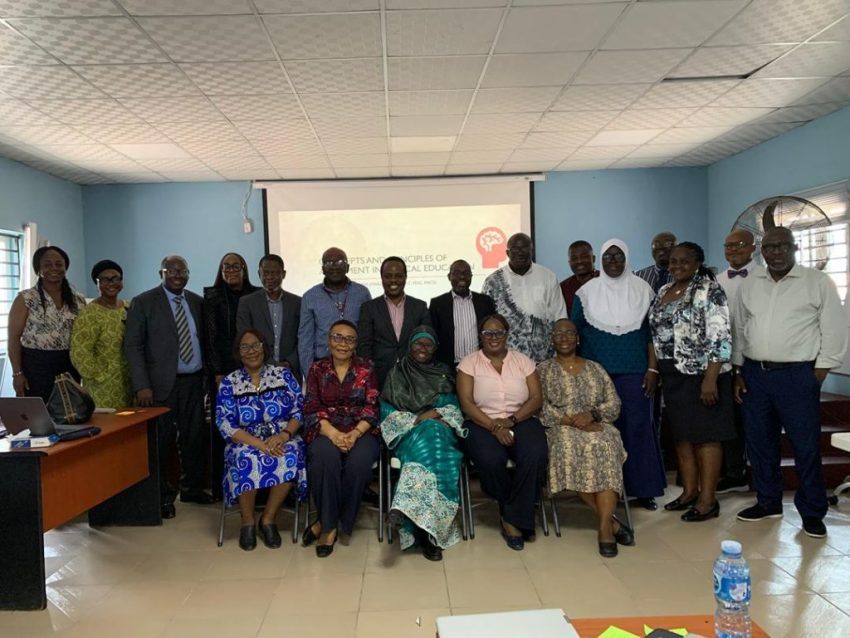
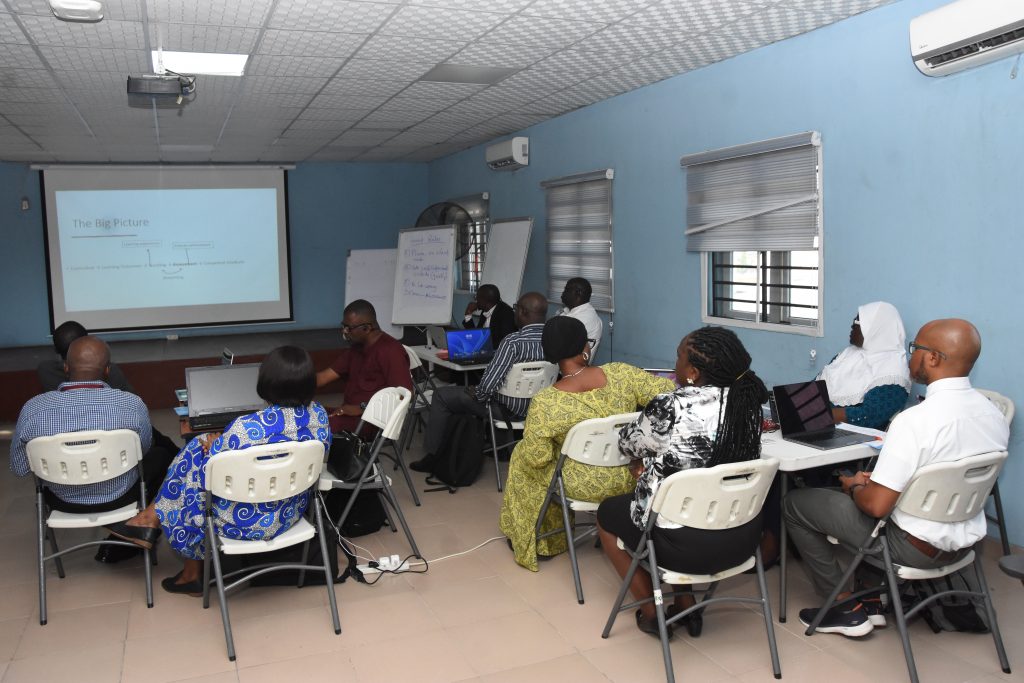
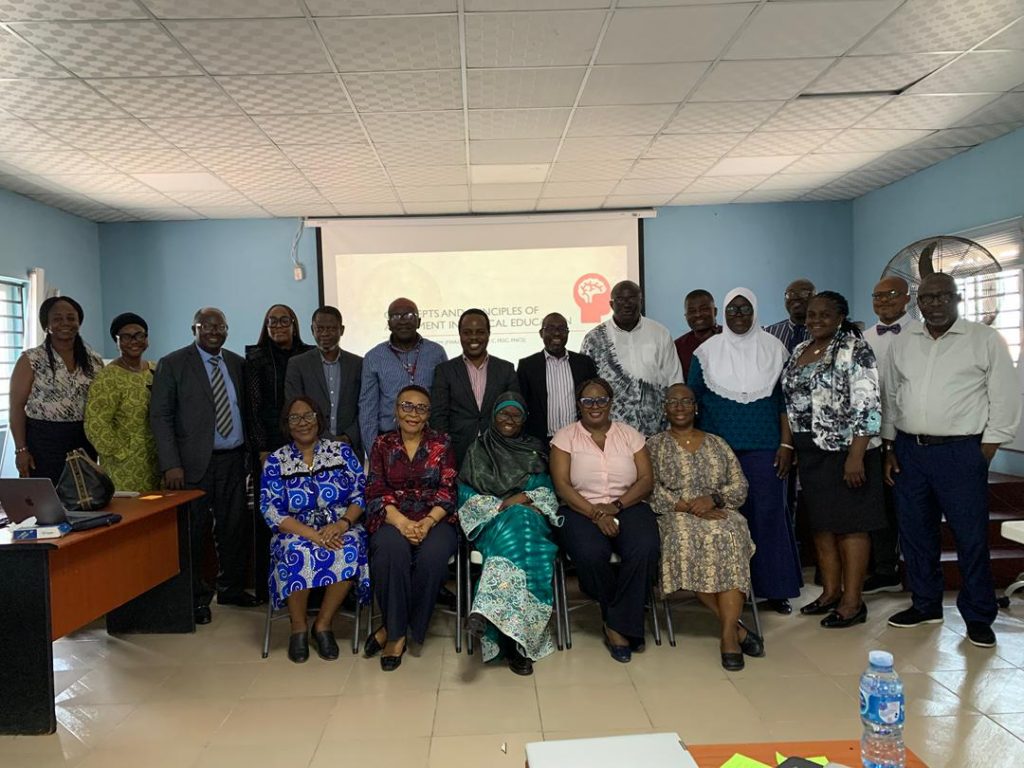
In furtherance of its commitment to world-class education and continuous academic staff development, the Faculty of Basic Clinical Sciences (FBCS), College of Medicine, University of Lagos (CMUL), organised a two-day capacity-building workshop titled Enhancing Assessment Quality: Blueprinting and Effective Question Setting from January 26 to 27, 2026.
The workshop brought together academic staff of the Faculty alongside seasoned medical education experts to strengthen competencies in curriculum-aligned assessment, contemporary question design, and objective evaluation of student learning outcomes – critical elements in the training of globally competitive healthcare professionals.
Welcoming participants, the Dean of the Faculty of Basic Clinical Sciences, Professor F. B. Abdulkareem, emphasised that assessment goes beyond grading students, describing it as a powerful driver of learning, competence development, and professional identity formation. She explained that the workshop was carefully structured to promote alignment among teaching objectives, learning activities, and assessment strategies, thereby enhancing the Faculty’s contribution to quality medical education and healthcare delivery in Nigeria and beyond.
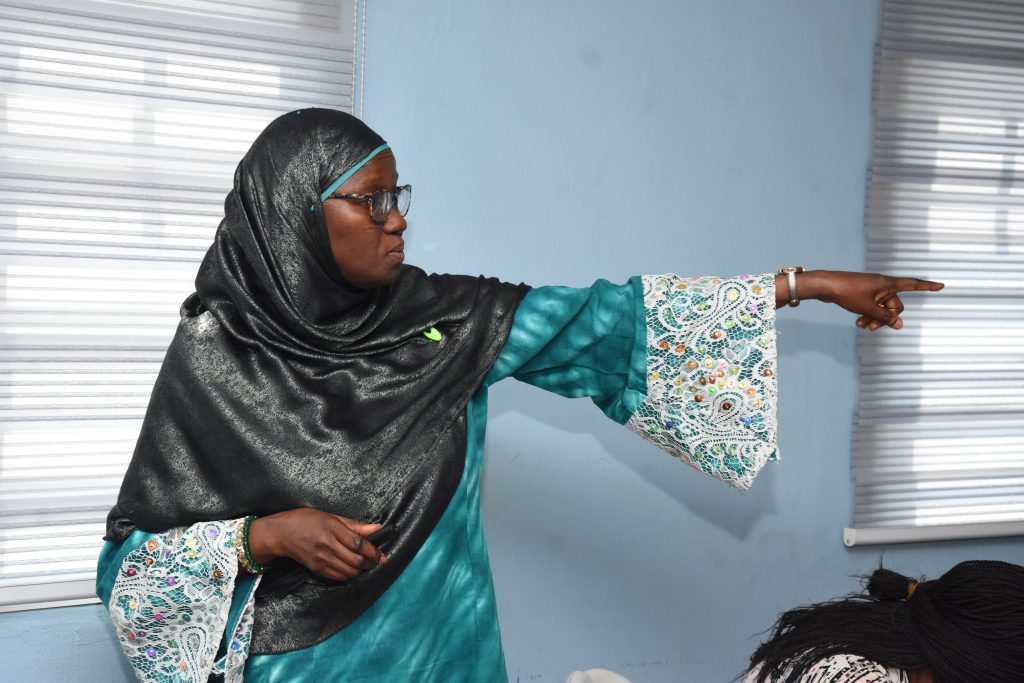
Professor Abdulkareem further underscored the broader significance of continuous pedagogical capacity building, noting that equipping educators with modern assessment skills is foundational to producing graduates who are clinically competent, socially responsive, and globally competitive. She reaffirmed that staff development remains a central pillar of the Faculty’s strategy and the University of Lagos’ overarching mandate to sustain excellence in teaching, research, and service.
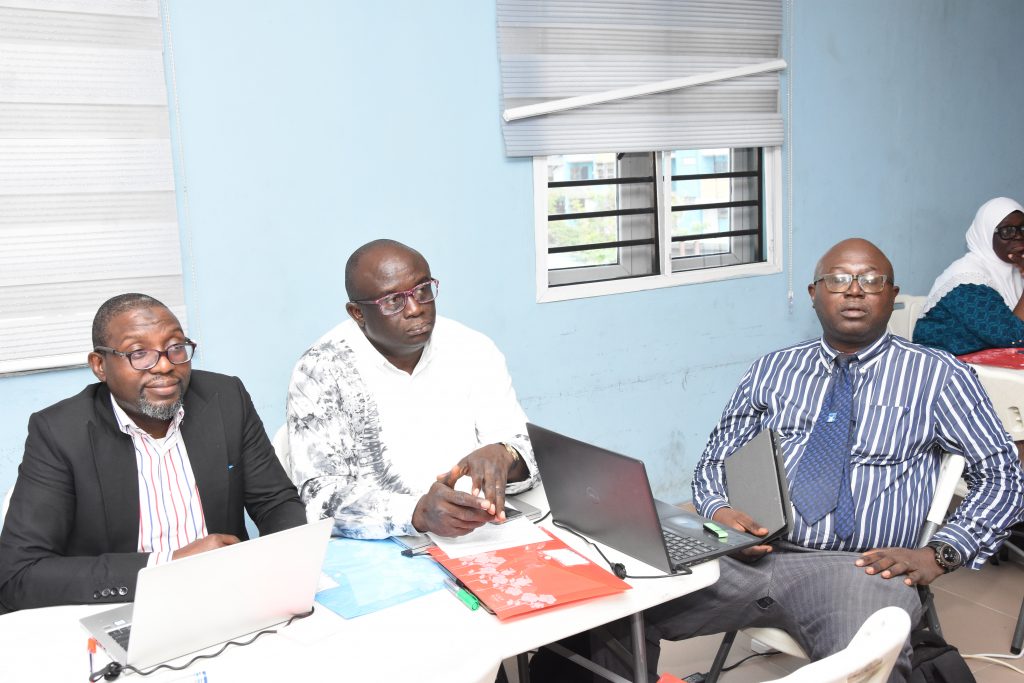
Robust Sessions and Expert-Led Engagements
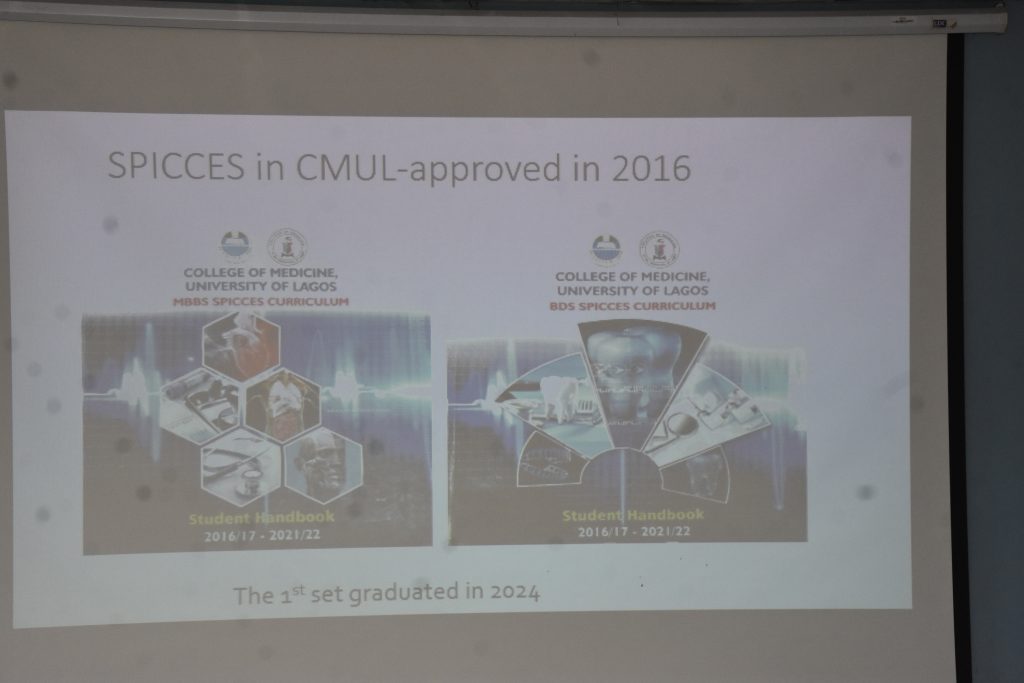
The workshop featured a comprehensive programme exposing participants to contemporary medical education frameworks, including the CCMAS and SPICES curricula, principles and concepts of assessment, and the application of blueprinting techniques to ensure coherence between curricula and examinations.
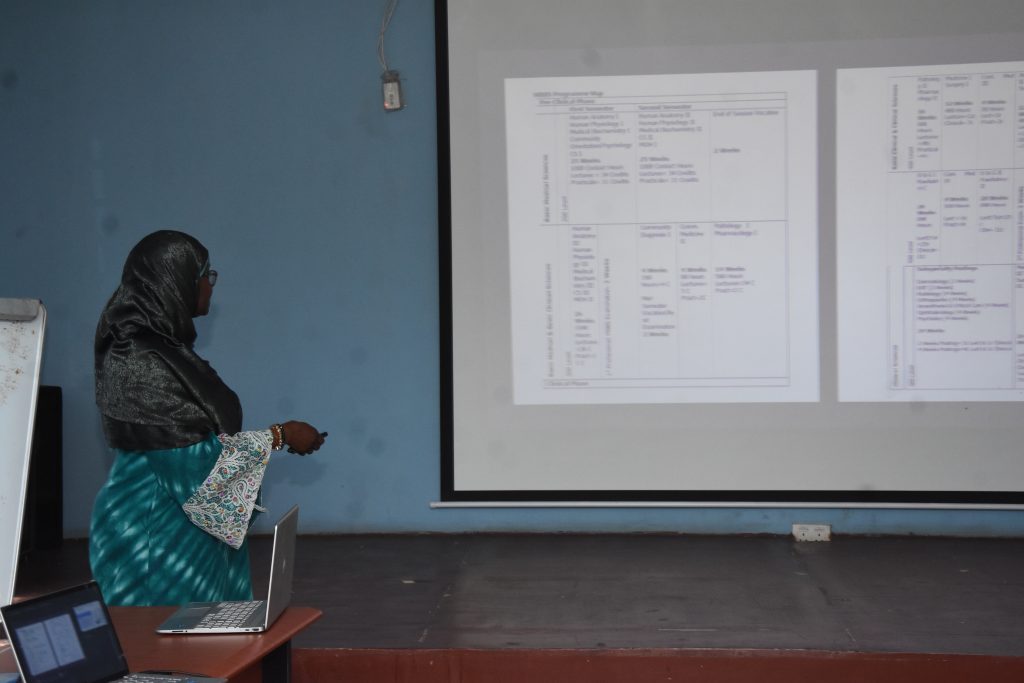
In her session titled “Overview of CCMAS and SPICES Curricula,” Professor Abdulkareem guided participants through the operationalisation of the CCMAS model in line with the 70/30 structure—70 per cent prescribed by the National Universities Commission (NUC) and 30 per cent determined at the departmental level. She urged participants to approach student assessment as a critical quality-assurance input, charging them to “make our questions comprehensive, defensible, and fair.”
 100vw, 1024px” data-lazy-src=”https://unilag.edu.ng/wp-content/uploads/2026/01/WhatsApp-Image-2026-01-30-at-19.05.46-1-1024×768.jpeg” /></figure>
</div>
<div class=)
 100vw, 1024px” data-lazy-src=”https://unilag.edu.ng/wp-content/uploads/2026/01/DSC_9954-1-1024×683.jpg” /></figure>
</div>
</div>
<p>Also contributing to the programme, the Head of the Department of Internal Medicine, Professor A. C. Mbakwem, facilitated an interactive session on “Principles and Concepts of Assessment in Medical Education.” Through guided discussions, she explored the purpose and value of assessment, highlighting its role in grounding teaching, providing feedback, informing curriculum review, and contributing to educational research.<br />
Professor Mbakwem described assessment as an iterative process that strengthens learning and serves as a vital quality-assurance mechanism, ensuring that medical graduates are adequately prepared for professional practice.</p>
<p>She encouraged participants to be deliberate in selecting assessment methods, noting that each approach carries inherent strengths and limitations.</p>
<div class=)
 100vw, 1024px” data-lazy-src=”https://unilag.edu.ng/wp-content/uploads/2026/01/WhatsApp-Image-2026-01-30-at-19.05.44-1024×533.jpeg” /></figure>
</div>
<div class=)
 100vw, 1024px” data-lazy-src=”https://unilag.edu.ng/wp-content/uploads/2026/01/WhatsApp-Image-2026-01-30-at-19.05.43-2-1024×768.jpeg” /></figure>
</div>
</div>
<p>Other distinguished facilitators, including Professor O. Ojo, Professor M. O. H. Amuda, Professor P. Bello, and Dr. P. Oshun B. Bello, led sessions on global best practices in medical education, delivering a rich blend of theory, practice, and institutional relevance.</p>
<div class=)
 100vw, 1024px” data-lazy-src=”https://unilag.edu.ng/wp-content/uploads/2026/01/DSC_9956-1024×683.jpg” /></figure>
</div>
<div class=)
 100vw, 1024px” data-lazy-src=”https://unilag.edu.ng/wp-content/uploads/2026/01/WhatsApp-Image-2026-01-30-at-19.05.44-1-1024×476.jpeg” /></figure>
</div>
<div class=)
 100vw, 1024px” data-lazy-src=”https://unilag.edu.ng/wp-content/uploads/2026/01/WhatsApp-Image-2026-01-30-at-19.05.43-1-1024×626.jpeg” /></figure>
</div>
</div>
<p><strong>Practical Learning and Outcomes</strong></p>
<p>Hands-on exercises, group activities, and facilitated discussions equipped participants with practical tools for redesigning assessments capable of accurately measuring knowledge, clinical skills, and professional competence. The programme also highlighted the use of the University of Lagos e-learning platform to modernise assessment delivery, grading, and feedback mechanisms. Participants engaged actively in sessions on developing high-quality multiple-choice and essay questions, assessing clinical skills through OSPE and Steeplechase methods, and setting standards for fair, valid, and reliable examinations.</p>
<p>The workshop concluded with a post-programme evaluation and a closing ceremony, during which certificates were presented to participants, marking another milestone in the Faculty’s institutional learning and quality-assurance journey.</p>
<p>By strategically investing in the skills and competencies of its academic staff, the Faculty of Basic Clinical Sciences and the University of Lagos continue to demonstrate that excellence in human capital development is deliberate – driven by continuous learning, innovation, and unwavering commitment to global standards in education and healthcare.</p>
<div class=)
 100vw, 683px” data-lazy-src=”https://unilag.edu.ng/wp-content/uploads/2026/01/DSC_9940-683×1024.jpg” /></figure>
</div>
<div class=)
 100vw, 683px” data-lazy-src=”https://unilag.edu.ng/wp-content/uploads/2026/01/DSC_9942-683×1024.jpg” /></figure>
</div>
<div class=)
 100vw, 683px” data-lazy-src=”https://unilag.edu.ng/wp-content/uploads/2026/01/DSC_9941-683×1024.jpg” /></figure>
</div>
</div>
<div class=)
 100vw, 1024px” data-lazy-src=”https://unilag.edu.ng/wp-content/uploads/2026/01/WhatsApp-Image-2026-01-30-at-19.05.45-1-1-1024×768.jpeg” /></figure>
</div>
<div class=)
 100vw, 1024px” data-lazy-src=”https://unilag.edu.ng/wp-content/uploads/2026/01/WhatsApp-Image-2026-01-30-at-19.05.46-2-1024×768.jpeg” /></figure>
</div>
</div>
<figure class=)
Report: Isaiah Kumuyi
Photography: Isaiah Kumuyi & Lady B
Source; UNILAG