

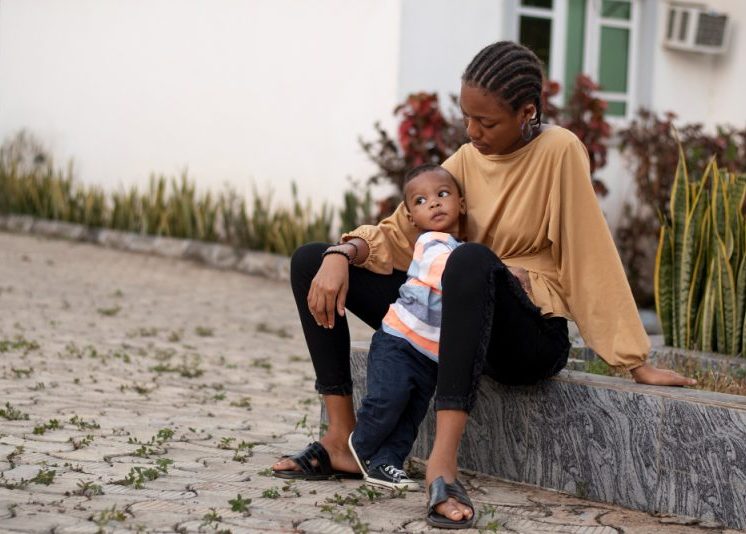
Across the globe, family structures are evolving. One of the most significant trends is the increasing prevalence of single-parent households. From bustling urban centers to remote rural communities, this shift is raising crucial questions about the societal forces at play. Today, we’ll explore the diverse factors contributing to this global phenomenon and consider potential avenues for fostering stronger family structures worldwide.
Shifting Societal Norms Across Cultures
The traditional concept of family is being redefined in many regions. Attitudes towards marriage, divorce, and cohabitation are changing, reflecting evolving cultural values. While these changes often empower individuals, they can also contribute to family instability. To address this, culturally sensitive initiatives promoting relationship education and premarital counseling can be valuable. Encouraging healthy relationship models through local media and community programs can also be effective.
Changing gender roles are another significant factor. As women gain greater access to education and employment, traditional family structures are being challenged globally. Promoting equitable partnerships in parenting and household responsibilities, along with policies that support flexible work arrangements for both parents, is crucial.
The increasing emphasis on individualism and personal autonomy, often influenced by globalization and media, can impact relationship decisions. Fostering a sense of community, mutual support, and cultural values that emphasize family bonds can help strengthen family structures.